
2·
3 days agoIs moonight done with PWM?
It’s a boost driver with PWM input, probably low-pass filtered, but from what I heard it’s rather unstable.
Software developer from Germany with interests in programming, electronics, flashlights, calculators, writing instruments and various outdoor activities.
Visit my website for more info and updates.
See also: /u/SammysHP@feddit.de
Is moonight done with PWM?
It’s a boost driver with PWM input, probably low-pass filtered, but from what I heard it’s rather unstable.
Thanks! The clip feels very solid and I don’t think it’s weaker than any other part of the light. And even if something breaks, it costs only about $15.
Sorry, I completely forgot to write about the material, as anything other than aluminum is an exception in the lights I review, so I don’t even mention it anymore.
The body and clip are made completely out of aluminum, with a steel pin in the hinge.
It drains a battery in about three weeks on high aux.
AFAIK aux LEDs should turn off at 2.7V. Was it sitting at high aux level?
If you have access to a 3D printer: While I haven’t tried it myself yet, it should be possible to combine my plate with Spicy3d’s HB3 adapters.
In addition to the advantage mentioned by Zak, it also depends on the usage. A flashlight that I need every evening (dog walks) is easier to charge with the magnetic charger. Not great for the battery, but I prefer to have a fully charged flashlight when I start my walk.
A twisty as a headlamp. In a silicone bracket. Good luck adjusting and controlling it. 😂
Also, 3lm lowest level, no shortcuts, unknown LED. Nope.
Don’t see it as a flashlight, more as a stylish fidget toy. 😉
No, that’s the fake UltraFire. It’s complicated…
For some reason I thought it came with a USB-rechargeable 14500
Some batches came with the USB rechargeable 14500, some did not.
Still not enough for calibration. This sensor is not able to give you CRI or correct duv values. It can estimate the CCT, though.
Read this thread for all the problems when using these sensors:
https://budgetlightforum.com/t/diy-spectrometer-as7341-based/70375
In short: not good for testing flashlights.
Yes, that’s the same light. Countycomm sells all kind of products under their brand, for a higher price, of course. Their photos are great, but the description…
this hardened steel ring is designed as a persuasion tool
🤣
Ja, absolut legal. Vorne kommt kein kohärentes Licht raus, daher keine Beschränkung.
Anfangs, als LEP-Lampen noch neu waren, hatten Hersteller die Laserklasse des intern verbauten Lasers angewendet, was etwas verwirrend war.
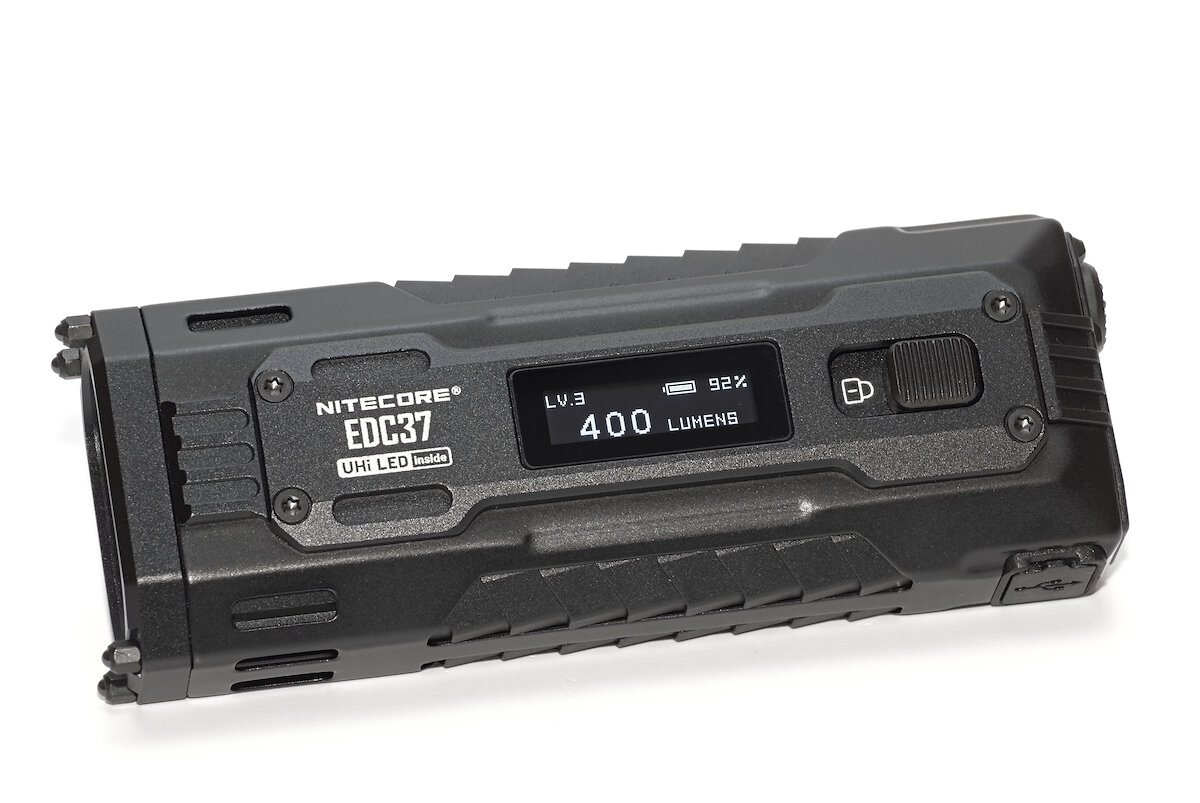
Does it appear to have 2x 21700 inside?
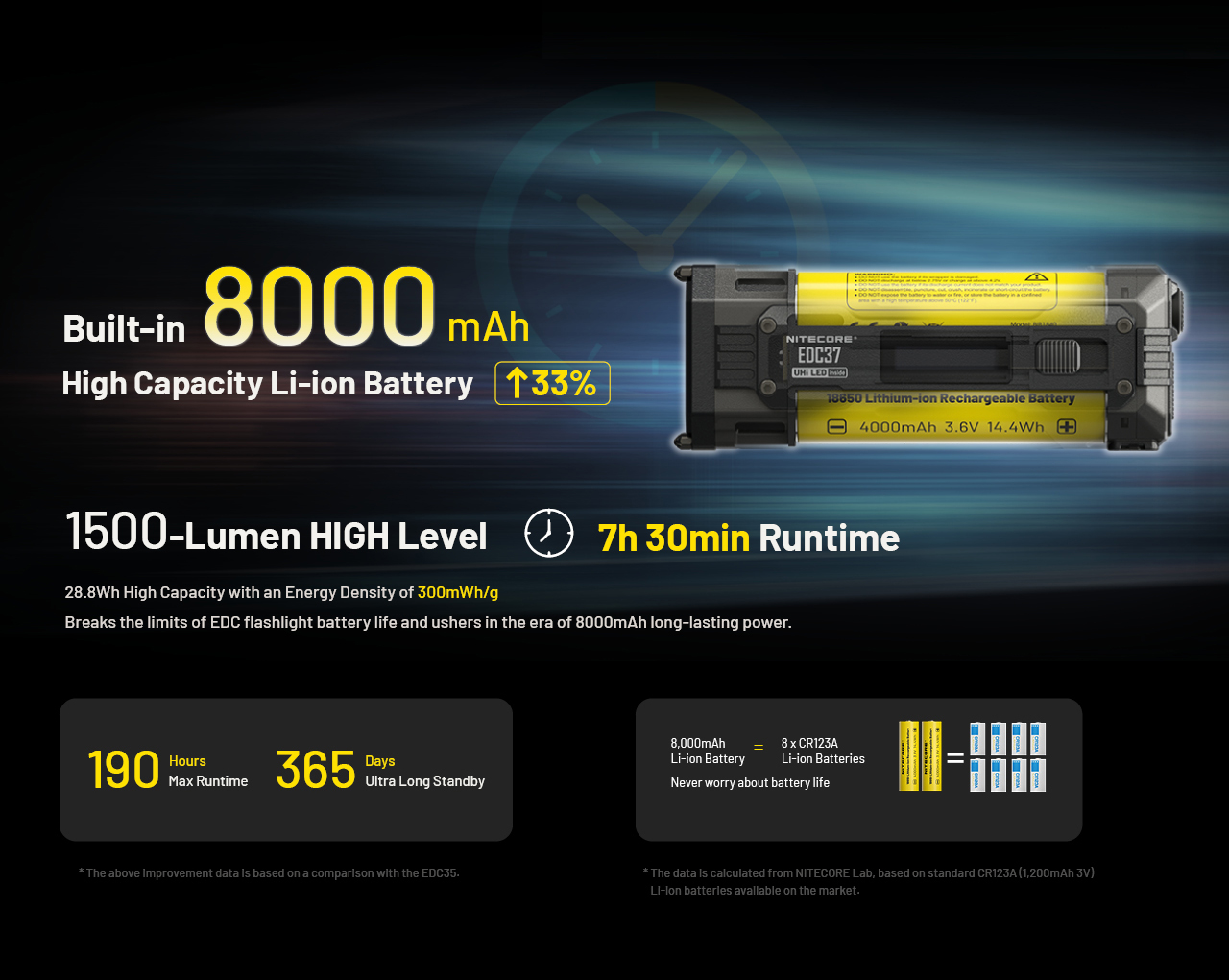
More like 2x 18650. There’s a rendering on the official website that shows 2x 18650 4000mAh, that was also used in the EDC31.
https://flashlight.nitecore.com/Uploads/attached/image/20250604/20250604094746_35890.jpg
Can it operate as a USB power bank?
Nope.
It depends. In winter, when I need my headlamp every day, I prefer to use a H150 or H04 with magnetic charging, so that I can quickly (dis)connect it. I can do the same with the M200, if it needs a charge.
When I’m not at home or don’t need the flashlight often, USB-C is usually easier because I don’t need to take the special adapter with me or have it cluttering my desk.
This causes two issues, the regular introduces a lot of RF noise
Yes, unfortunately that is true …
and the voltage is flat right up to the point of complete exhaustion so you can’t tell when the battery is ready to crap out.
There are many models with a voltage warning (either dropping to 1.1V or slowly decreasing voltage):
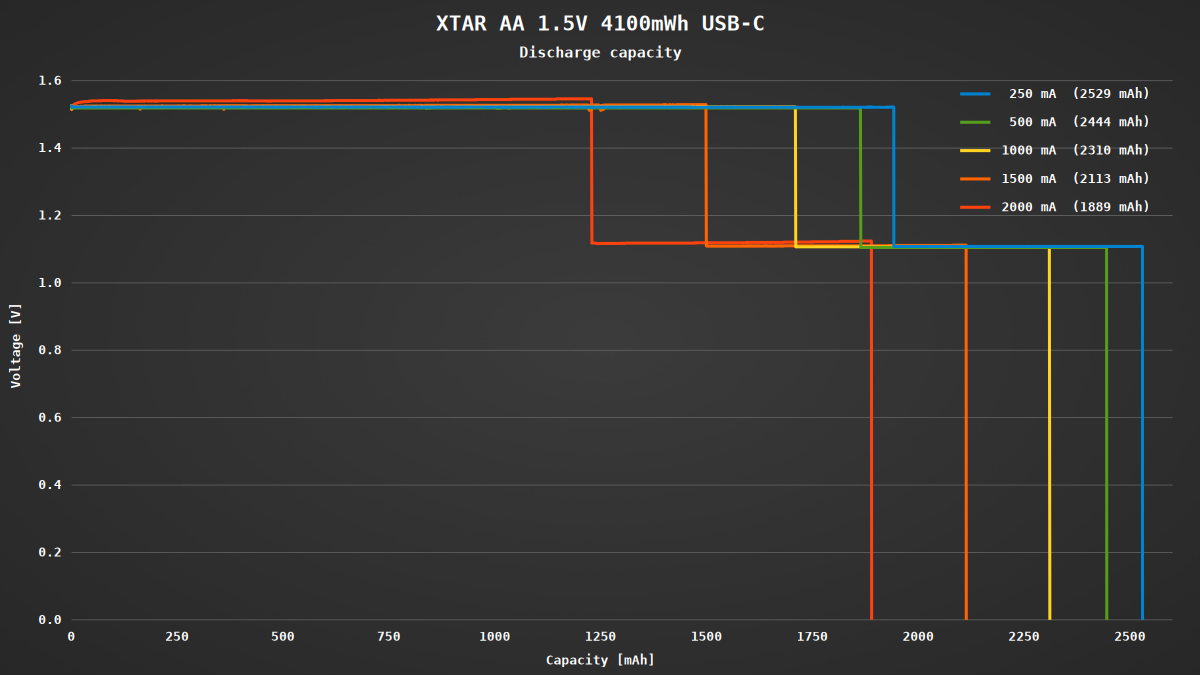
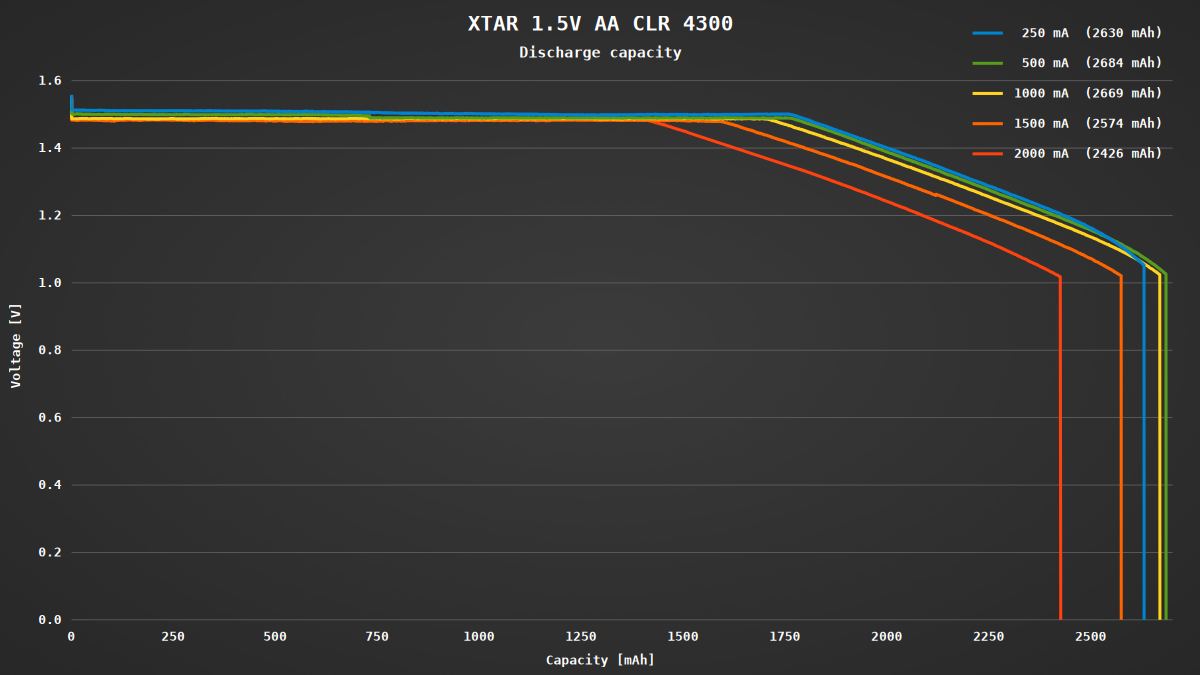
If there are two batteries in series, you could also try a single LiFePO₄ (with protection circuit), as it keeps a rather stable voltage around 3.2V.


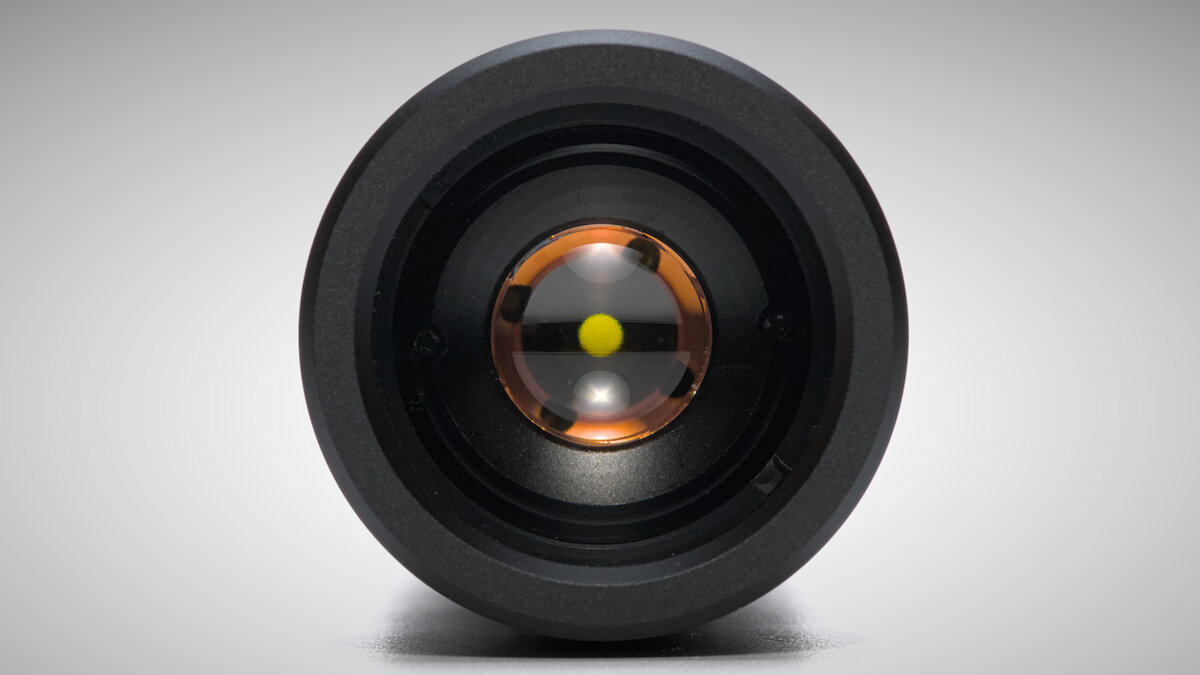
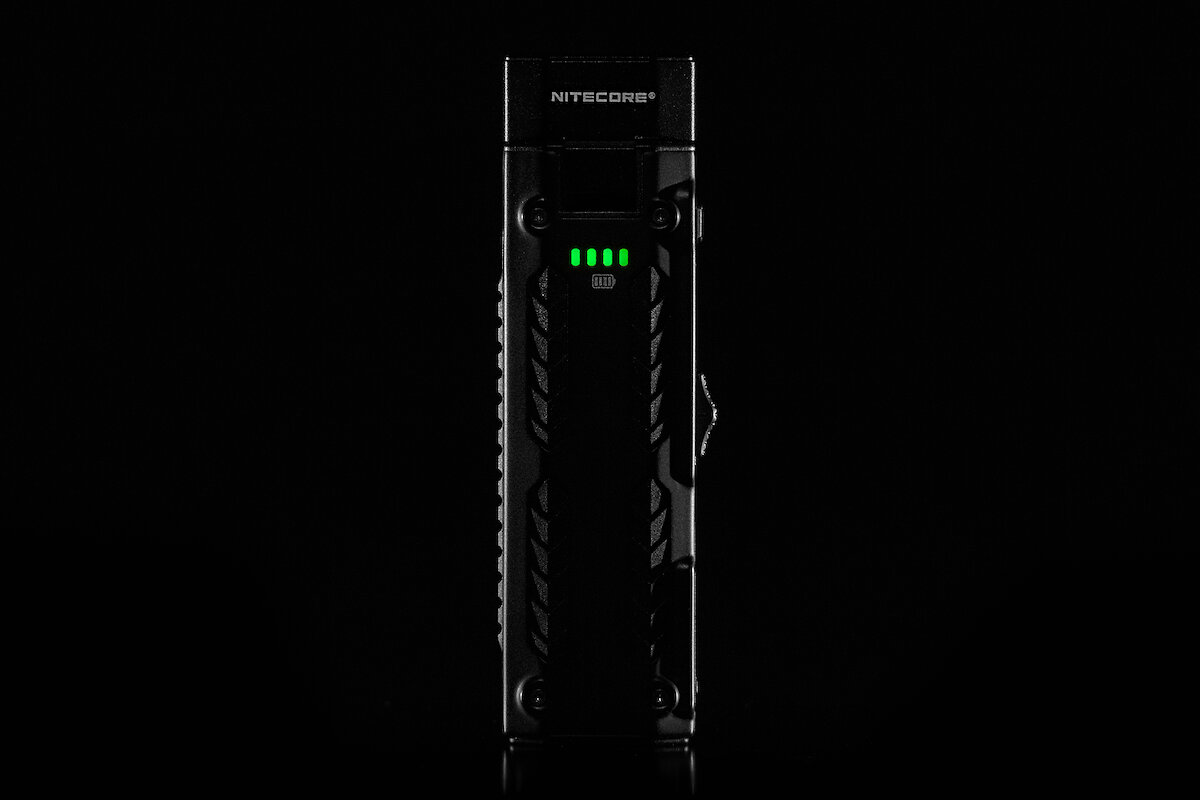
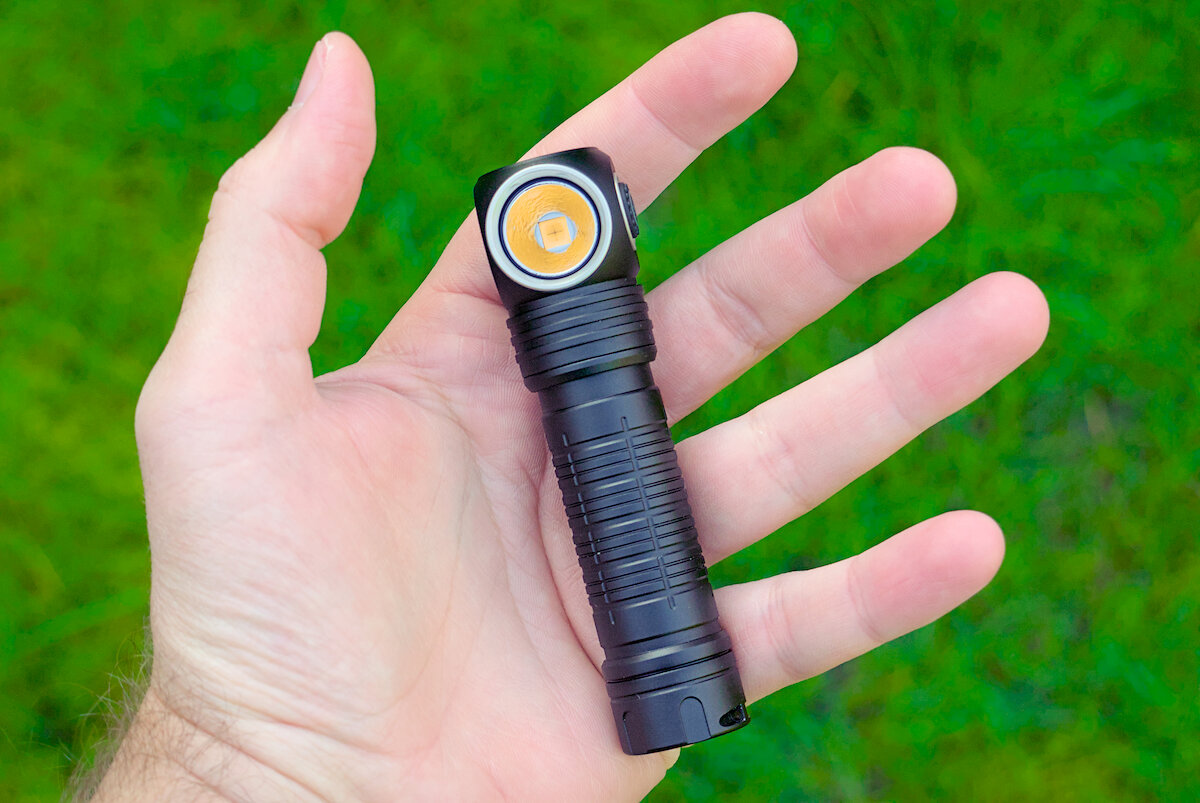
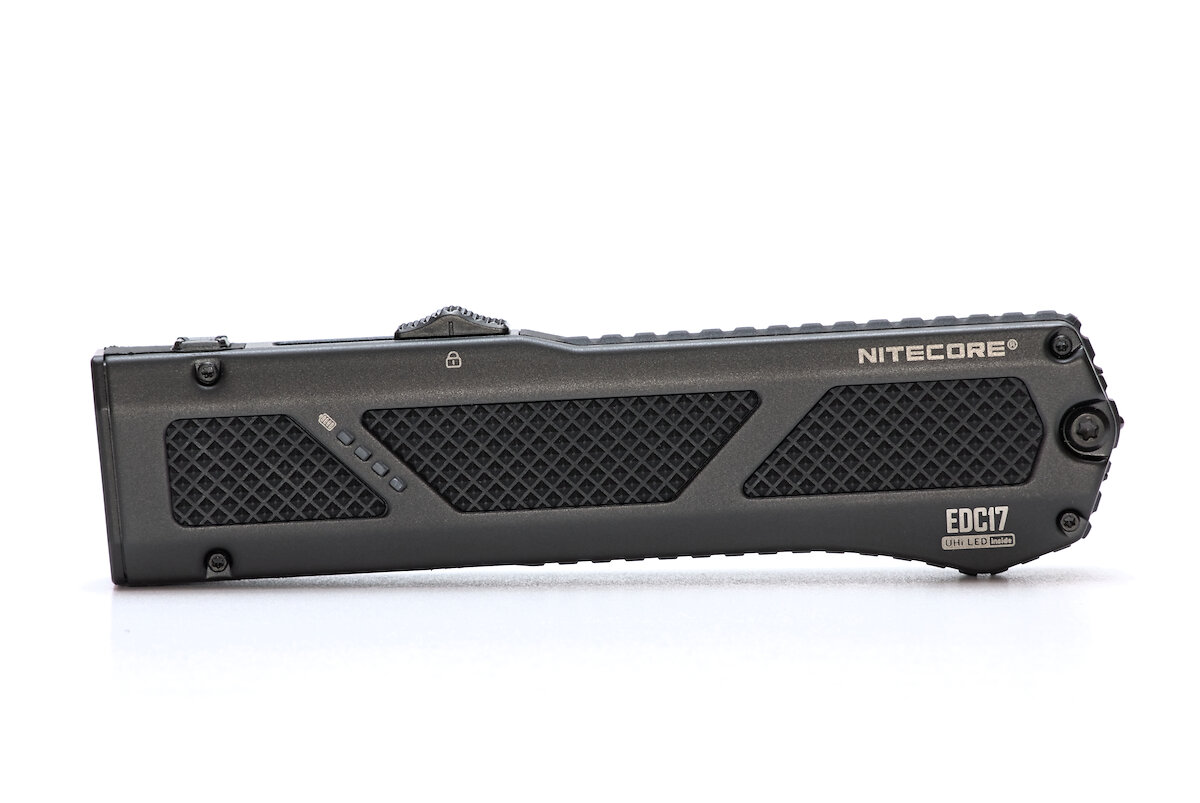
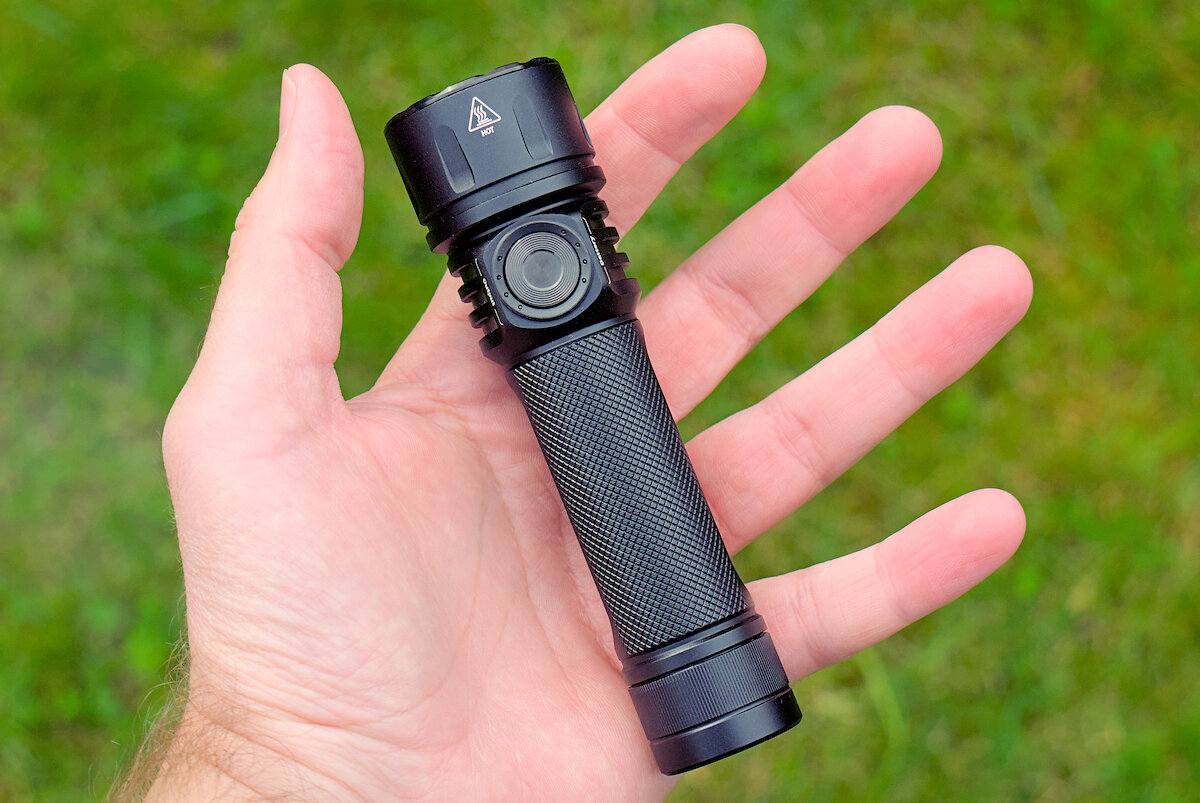
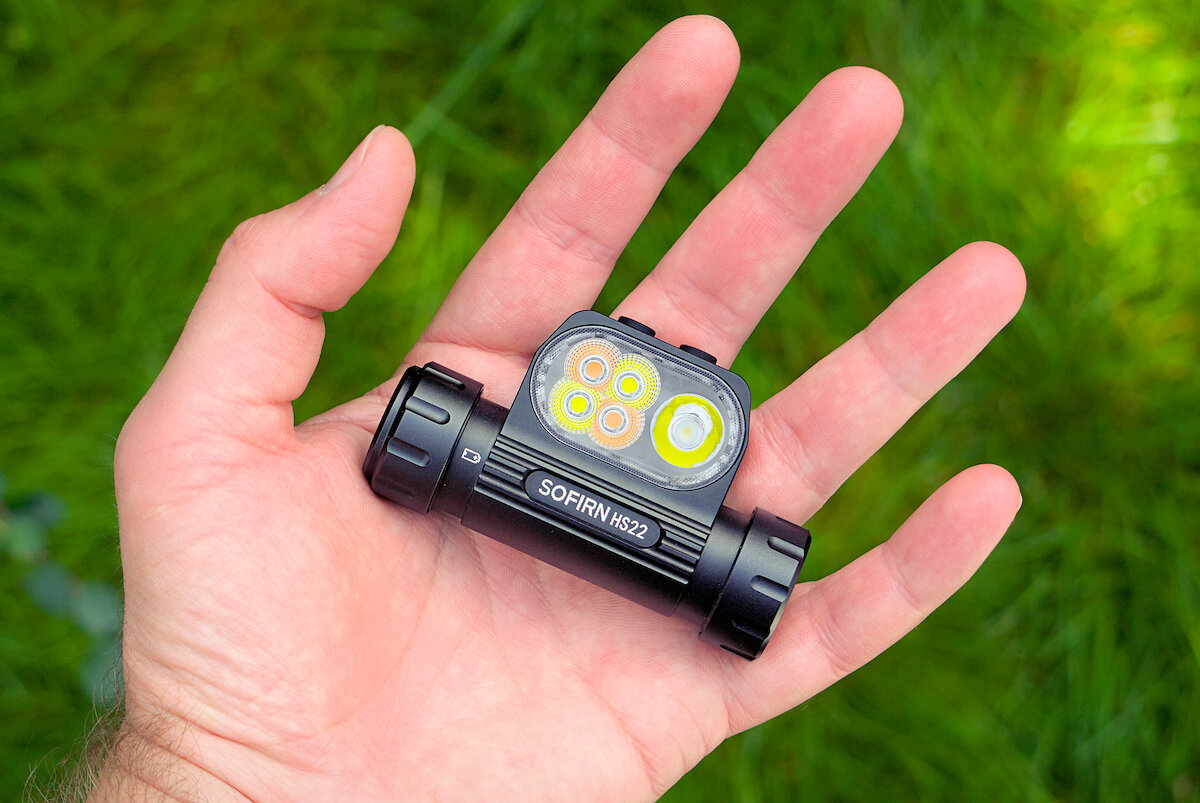
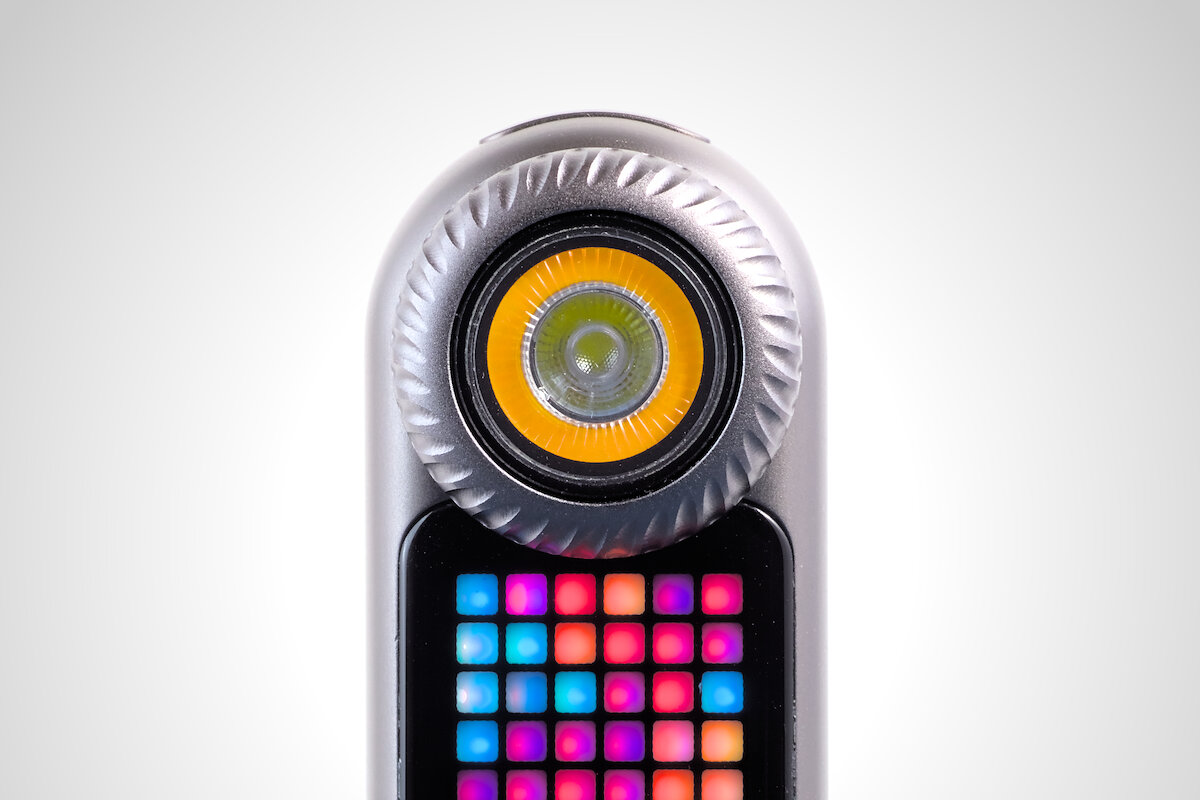
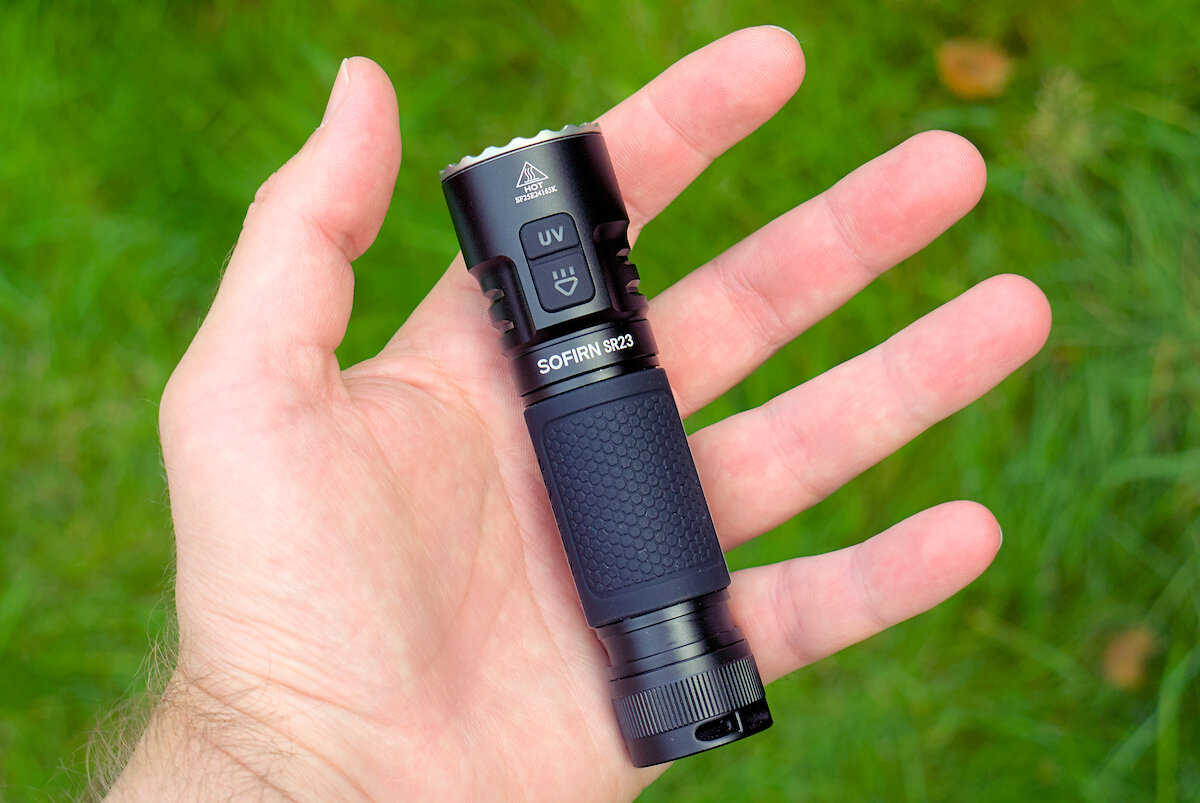
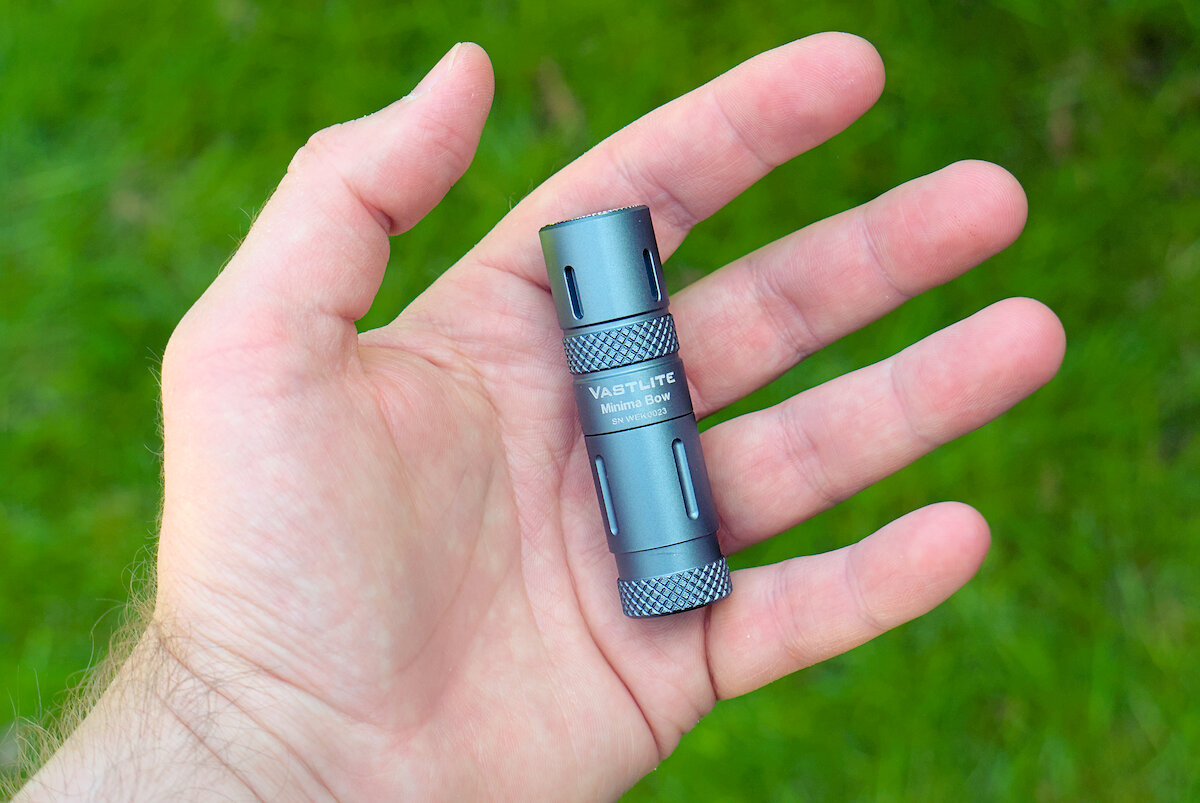
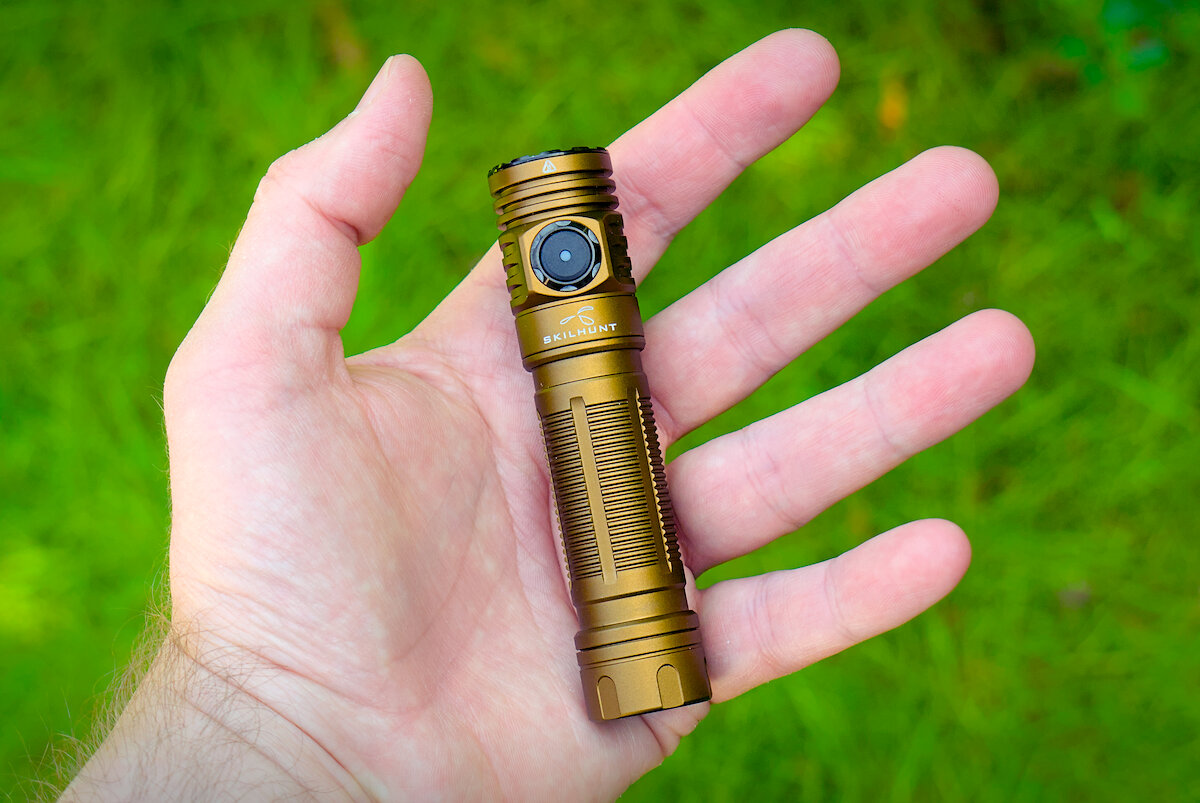
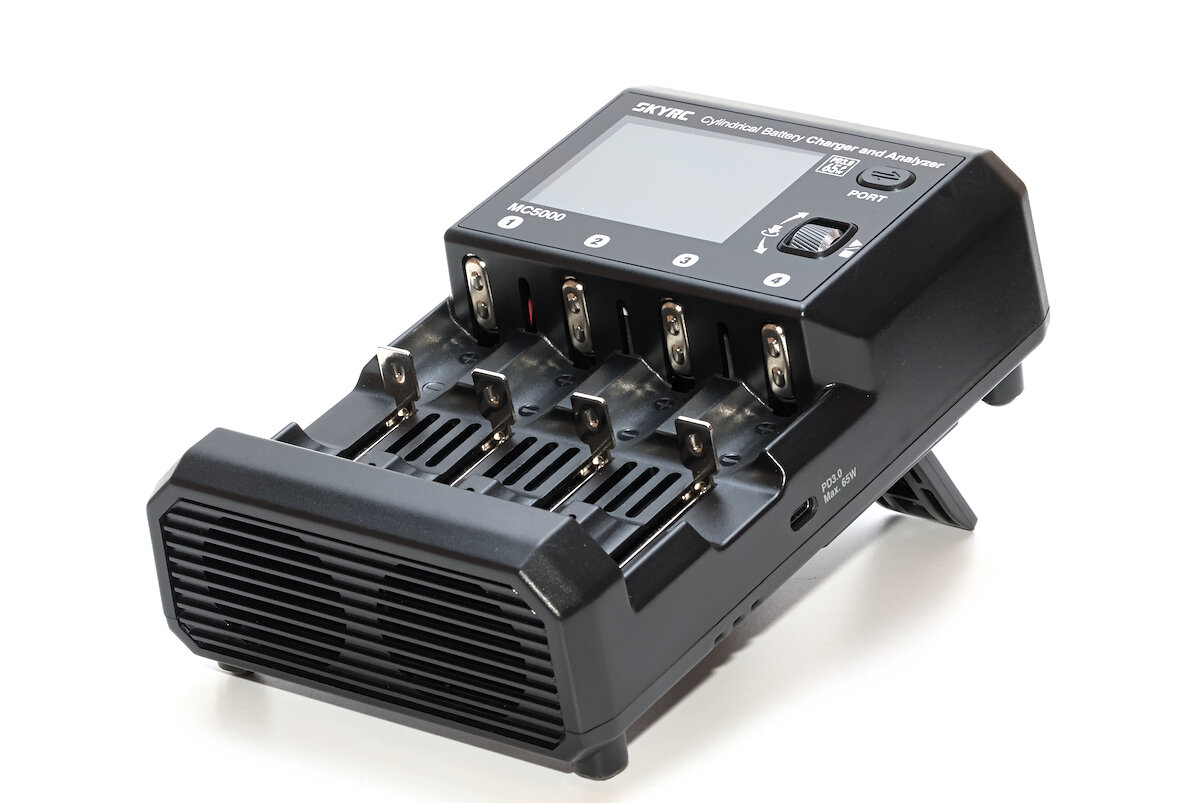
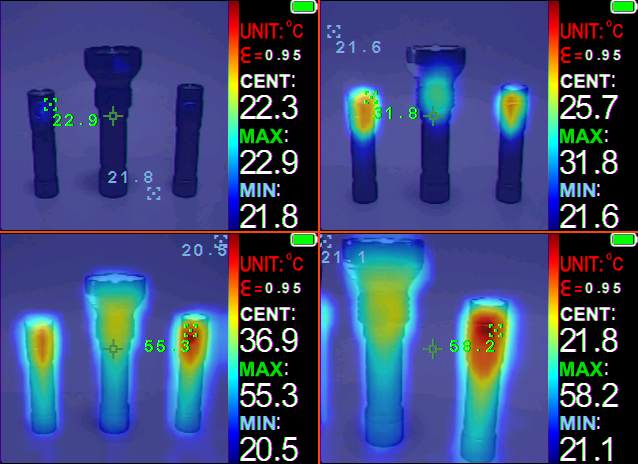
Boost drivers have a big advantage: Much higher efficiency, especially on low brightness. There are great examples like drivers designed by thefreeman or loneoceans. Unfortunately Wurkkos’ engineers are still learning.