
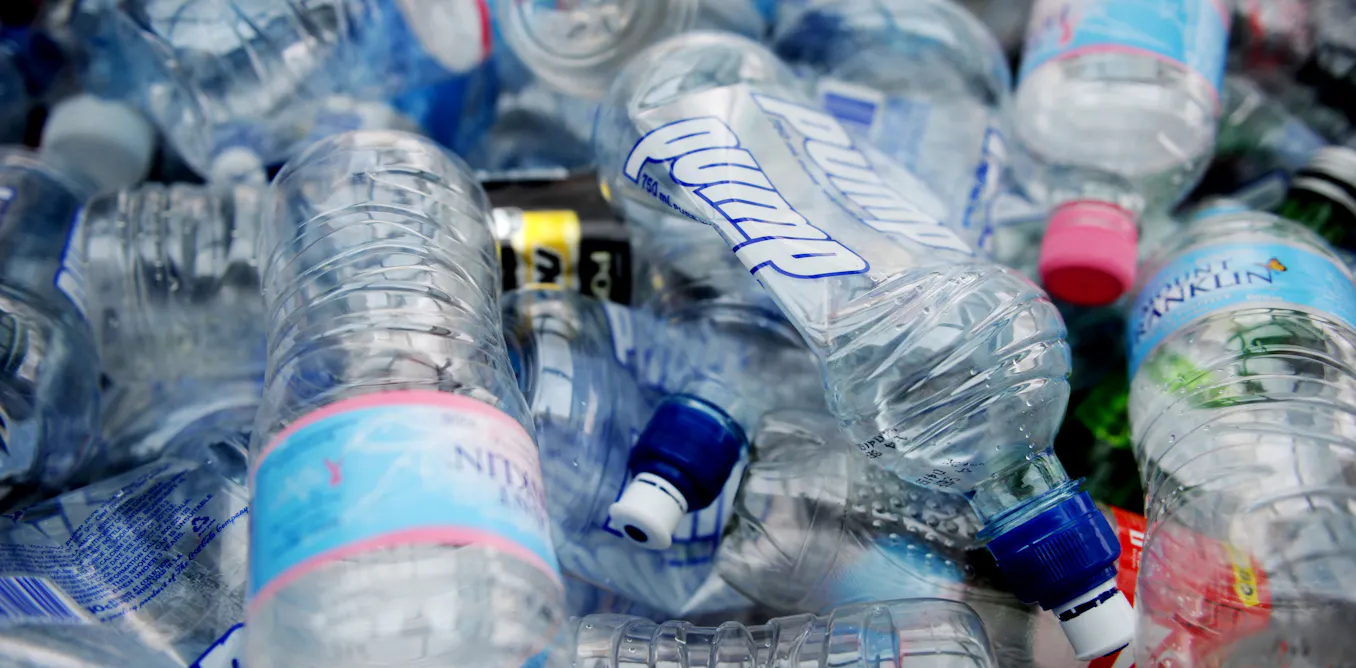
A complex issue but in Australia we have been pretty slow in meeting the challenges of waste plastic. Perhaps the Hormuz Bluez will get us more motivated.
Too often, companies that use plastic as an input make purchasing decisions that are driven by the lowest short-term price, even when that increases exposure to future shocks and supply risks. As the current crisis is showing, that can be costly.
Delays in strengthening recycling systems mean greater reliance on imported fossil-based plastics, more local waste sent to landfill or export and missed opportunities to create jobs in collection, sorting, reprocessing and advanced manufacturing.
The clear solution is to close the cost gap. There are many ways we can move in this direction, such as:
- improving collection systems
- designing packaging that is easier to recycle
- reducing contamination in household bins
- investing in modern sorting technology and more reprocessing capacity.
Individuals cannot fix global supply chains on their own, but they do shape the quality of material entering the recycling system. Buying products made with recycled content helps create demand for local recycled plastic.
Correctly sorting household waste and keeping recyclables clean can also reduce contamination, making plastics easier and cheaper to process. Reusing items where possible matters too.
The circular economy is not only built in factories and policy offices.
We need to move away from single use plastic full stop.
Container deposit schemes with a much higher rate (perhaps 50c?) and being able to return them at most stores would be much better than recycling.
Uses much less energy to just wash and reuse glass bottles in the long run.
Plastic cannot be indefinitely recycled.
Plastic recycling is a band-aid solution, in my opinion.