
1·
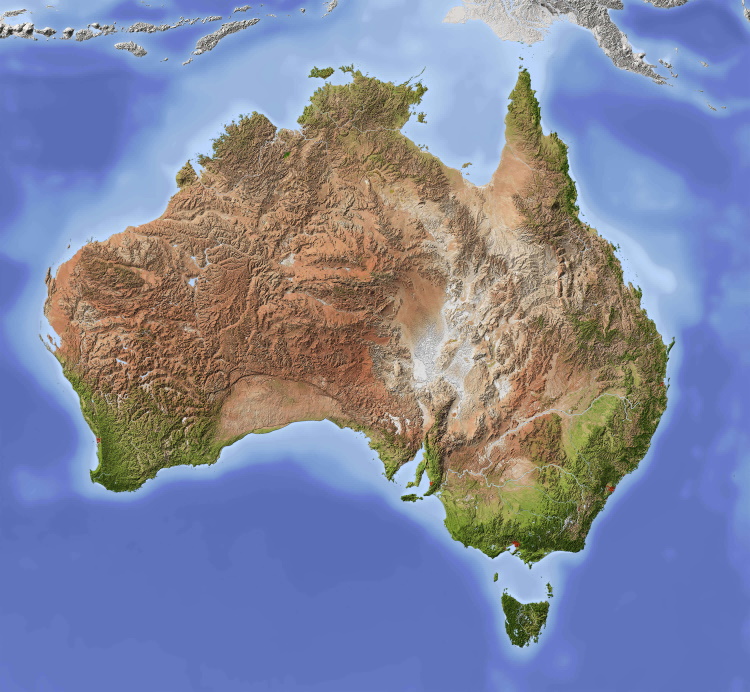
21 hours agoI’m more talking about thebpolitical risk, and marginally about enforcement of fishing rights in exclusive zones. As fish stocks are depleted north of Australia, we’ll see more of this, better we can have a predictable, coherent and sustainable policy from the beginning.
















Middle powers need to come to a settled policy position around a bancor-like policy. I think its unlikely a major power would take the lead instead of favouring their own currency as reserve. After half a century the idea probably needs updating. Then they need to coordinate as blocs to make it painful for China and USA to resist.
If middle powers can peel one major away from their own more position of self regard, maybe in a moment of strategic weakness, then that could make it far more likely to be successful. So a situation not unlike what the USA did with the Russia-China partnership under Nixon.
Without the major economies of the world all signing on, i’m not sure if a bancor could be done with middle powers and developing nations alone. Maybe theres a model between this set of nations that works without setting off recurring imbalance of payments crises? I’m not sure.
Professor Steven Keen speaks very well on the bancor, he and Phil Dobbie get into it on their Debunking Economics Podcast.
Sorry u/dustycups, had to follow you along here and have a sticky beak. :)