
I’m coming up on the end of season 2 right now, and I legit thought this was the chevron7 community.
- 12 Posts
- 574 Comments
Joined 3 years ago
Cake day: July 9th, 2023
You are not logged in. If you use a Fediverse account that is able to follow users, you can follow this user.
 961·5 days ago
In defense of Reddit (yuck), if there’s been one constant in all the years of its existence, it’s been that their search is the worst. Not saying it’s not intentional, cause it probably is, but damn if they’ve not worked hard to establish plausible deniability.
 2·6 days ago
I was gonna say, this reads like an initial design doc for that game, down to the emphasis on free form roads and flexible plot system.
 7·6 days ago
it’s metal af, but I can’t help but feel like there’s something terribly wrong with her lower back.
Devs are asleep at the wheel
 6·7 days ago
If anyone’s curious, they actually wrote a song addressing that whole kerfuffle a few years after the fact called “Not Ready to Make Nice”. In so far as pop-country goes, it’s pretty good.
Also, “Gaslighter” is a bop, while I’m recommending songs of theirs.
That flame effect looks great! What was your process for that? Wet blending?

this is an older performance of theirs, but is one I frequently throw on while choring about the house. Perfect vibes.
You might like Burn Notice, depending on your tolerance for network television tropes of the mid-aughts. It’s a “monster of the week” format, rather than the serialized approach of Reacher, but it typically includes a scene or two referencing the season arc in any given episode, so you still feel like the narrative is advancing, even if the majority of the episode was a side quest.
The gist is that a US government spy gets “burned” and turned loose in Miami. He, and the few contacts he has who will still speak with him (which include his mother, an ex-gf with a bombastic personality, and Bruce Campbell at the height of his smarmy powers), attempt to figure out who burned him, while also getting wrapped up in “favors” for various folks about town that inevitably wind up more complicated than was initially let on. Antagonists run the gamut from international terrorists to con artists who target the geriatric (it is, after all, set in Florida).
It’s not high art, but it’s got a winning cast, decent action (for network television), and, on occasion, I think some pretty clever solutions for problems which leverage the “spycraft” gimmick. Worth a shot.

 1·10 days ago
Veronika’s owner looks genuinely thrilled at the news.


 3·17 days ago
This was one of the happiest music discoveries I had last year! Really enjoyed several of their albums, but had somehow missed this track.
For what it is worth, I found it thrilling as a snot nosed teen who watched it in class for some reason or another. It suffers a little from its reputation as “the greatest film ever made”, but, it remains a very good character drama. Interest in the history of film and filmmaking will also go a long way towards making the movie compelling.



 2·23 days ago
Honestly makes sense. I work with a population that is often hard hard of hearing, and therefore they’ve got their speakerphones on full tilt. Sometimes, I’ll call and hear myself through their phone with a minor delay. The effect is not unlike having my brain temporarily scrambled.
Oh thank goodness for the banana. Now I have proper scale.

 15·25 days ago
 1·28 days ago
Demolition Man was such a treat for me when I finally got around to watching it during the pandemic. So much fun.
Absolutely horrifying illustration…I love it and crave sprite now. Can we get this in front of whatever ad agency Sony hired to produce this?





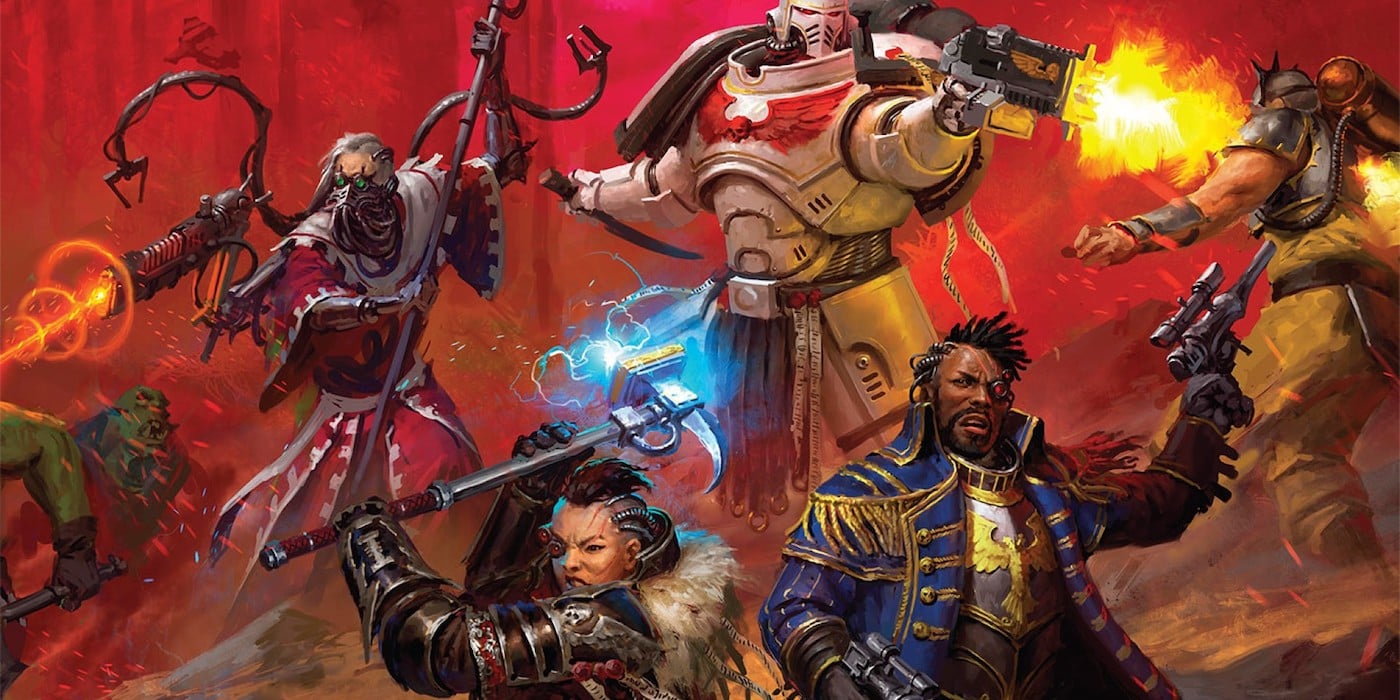
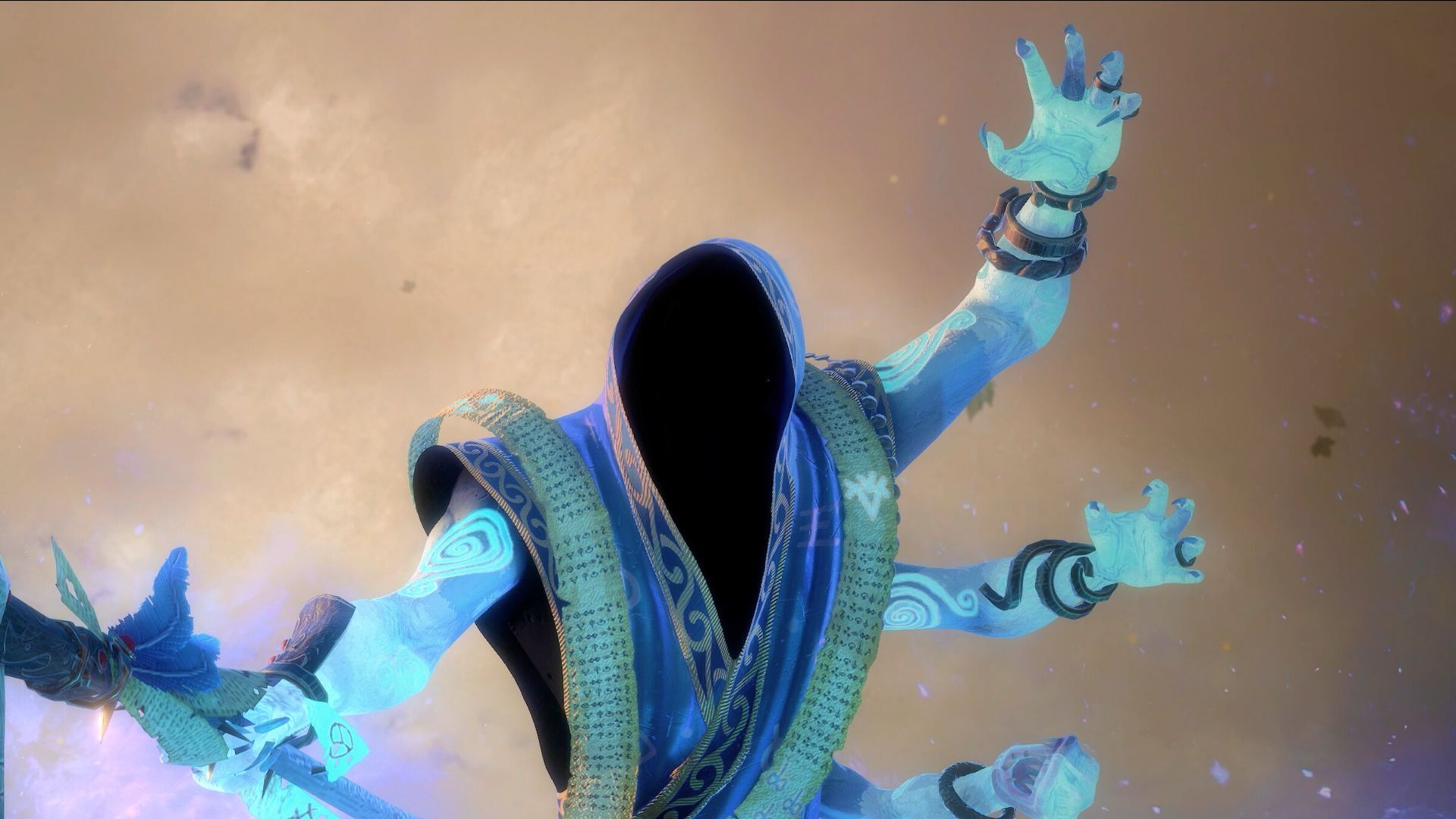


Another suggestion for an in-universe way to tip the scales in your players’ favor would be to invent circumstances where your players’ “quick thinking” (read as: heavily signposted narrative elements) could lead to their enemies fighting with some form of disadvantage, without necessarily requiring a good roll.
As an example, say the party have found the bad guys’ base in an industrial area of town. They’re at the Moston Molasses Market, and it’s an unseasonably warm day in the middle of winter (I don’t know, let’s call it January 15th or equivalent). When the players arrive, they immediately notice that there are these enormous liquid storage silos lining the courtyard, where several mooks are milling. Additionally, without rolling because it’s obvious, one tank is literally bursting at the seams, with these long, dark brown streaks oozing out of the rivet joints. Maybe they need to make a skill check to determine this for sure, but it’s a reasonable assumption that striking that tank will cause it to burst. Given the size of the object and the foregone conclusion that this thing is gonna burst at some point with or without getting whacked, I would not ask the players for an attack roll if they chose to utilize my signposting. Instead, auto-success, the tank bursts, a wave of molasses escapes, and now the baddies that aren’t engulfed in a semi-solid wave of sticky goop at a minimum find themselves fighting in difficult terrain.
Obviously, that’s a hyper specific example born out of reading a certain Wikipedia article earlier today, but I hope it illustrates my point. As the architect of the world, the only limit is your creativity when it comes to what challenges your party face. Maybe, before their terrible stealth roll reveals them to the trio of trolls hunting them in the woods, the party overheard two of the trolls discussing how their companion isn’t allowed to cook their meals anymore, cause they’ve both got indigestion. Uh-oh, party gets found, but two of the three enemies have a level of exhaustion (or whatever other nerf you want to slap on that simulates having bubble guts) and their heart isn’t really in this fight, so they’ll bail at the first sign of resistance. Or, if a player is attentive to your narration, they might describe how their character aims a blow right in the belly of the troll that mentioned their stomach issues. If it hits (and, honestly, if it were me, I’d grant auto-success for the player’s listening skills), the troll’s eyes go wide, and he flees on his next turn. Depending on the tone of your story, more scatological narration may be included in that action.
In short, if you’re concerned the experience of your players prevents you from just tweaking numbers from behind the screen, all you have to do is bend the world to justify your tweaks. Hell, you don’t even have to have this ready to go ahead of time. Maybe you planned to have a super easy encounter with a couple of feral wolves on the way to the next village. Nothing challenging, just a reminder that the players are in with wilderness. But, uh-oh, the dice are turning Lassie and friends into Hellhounds with a taste for PC spleen. Rather than letting the campaign end with a whimper, as the heroes of Wherever wind up as puppy chow on a random stretch of dirt track, all of a sudden, the animals cease their attack and perk up their ears. In the distance, between their ragged breaths and the sound of their heartbeat pulsing in their ears, the party hear a howl. The wolves respond in kind and melt into the woods. Maybe with a roll, maybe without, your call, the players realize that the direction of the first howl just so happened to be exactly in the direction of the village they were travelling to. DUN DUN DUNNNNN!
From the your perspective, it was a random encounter gone sideways due to poor luck, and you had to invent a deus ex machina on the fly to prevent an anti-climax. However, from the player’s perspective, you have seeded a new narrative hook without relying on dry exposition, and it’s one that they might have some personal investment in. You’re under no obligation to dissuade them of the error in their assumption. Heck, in spit-balling what could have caused the situation, they may even give you ideas for how you’re going to incorporate this new dynamic into whatever you originally had planned for them at the new village.
Idk if any of that is of any use to you, but I hope it at least gives you some ideas for levers you can pull which affect difficulty that are a little more nuanced then, “oh shit, uhhhh I guess this monster’s AC is going to be 12 for the rest of this fight”.