

TheIPW
Sysadmin and FOSS enthusiast. Self-hosting on Proxmox with a focus on privacy and digital sovereignty. Documenting my experiences with Linux, home labs, and the ongoing fight to keep Big Tech out of our hardware.
- 21 Posts
- 55 Comments
Joined 5 months ago
Cake day: March 31st, 2026
You are not logged in. If you use a Fediverse account that is able to follow users, you can follow this user.




I had the bulk of the tool written myself but used AI to help tweak the final polished version. I’ve always been open about my AI use in the past, I have a post on my blog about the subject. AI doesn’t generate my content, all ideas and opinions are my own but I do use it as a tool for refinement when needed.
 2·10 days ago
Thank you. It’s just me running the site and I hope to have at least one new article a week.
 3·17 days ago
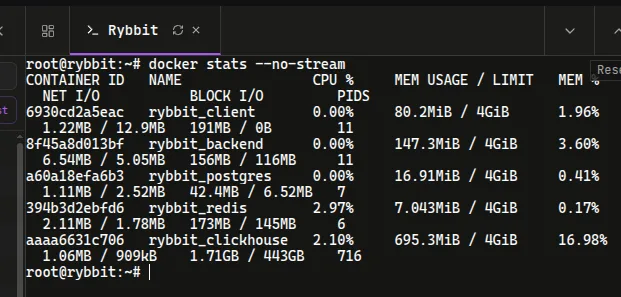
Right mouse click, it was an intermittent issue and never did get to the bottom of it as the only forum posts I could find were from 10 years ago. Yes I know I could of used the keyboard shortcuts but my muscle memory is more mouse orientated than keyboard lol
I get the opposite with any Linux distribution I’ve tried on my HP laptop. Windows, fans never shut up but with Linux just pure silence!
 48·1 month ago
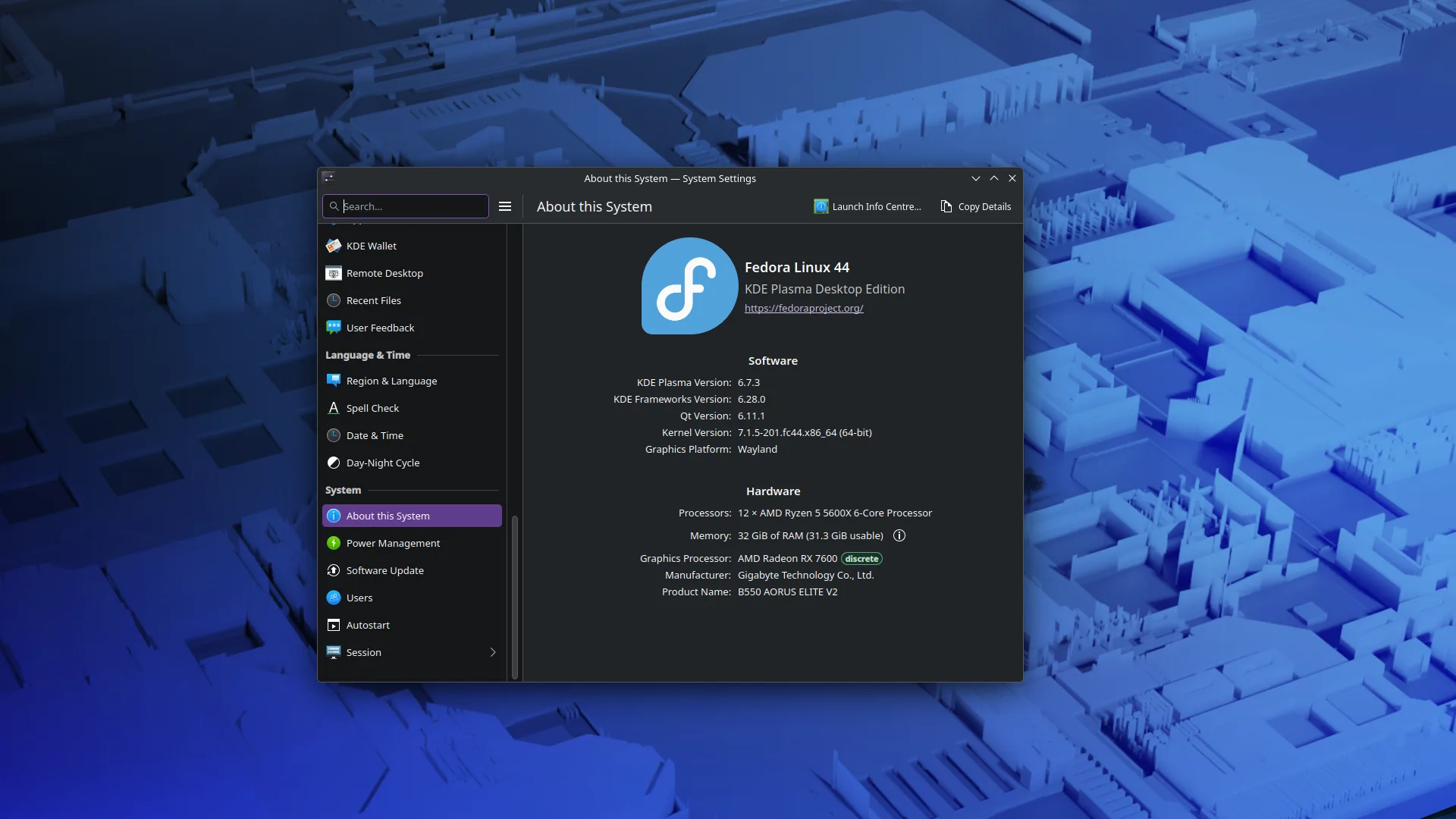
The images? I’m a system admin, not a graphic designer lol
 11·1 month ago
I’m not saying privacy and convenience are the same thing, or that the situation is somehow natural or benign.
I agree that the real issue is power, distribution control, and the way mobile software has been turned into a duopoly.
What I meant was more practical, for ordinary users, the choice often ends up being between an ideal setup and one that still lets them do necessary day-to-day things like banking and navigation.
That doesn’t make the underlying problem any less political, it just means people are forced to make compromises inside a system they didn’t choose.
 10·2 months ago
It is a fair bit of homework but for those of us who use Linux on a daily basis, we’d rather do the legwork once to have a private, predictable system than deal with the out-of-the-box bloat.
Regarding updates: that’s exactly why I focused on Group Policy tweaks rather than simple registry hacks or UI toggles. Policies are designed for enterprise environments where IT managers would be furious if an update reset their security configurations, so they tend to survive major build updates much better than standard settings, it’s not foolproof but it is the best way to stay ahead!


The UK PM has just announced an under-16 social media ban.
This is the ‘Trojan Horse’ in action. You cannot enforce a ban without an Age Verification layer, and you can’t have Age Verification without a National Digital ID or biometric database. They are using the ‘child safety’ card to build a mandatory surveillance gate for the entire internet.
Between the new taxes and the constant bans, it’s clear this government has zero respect for personal agency or digital sovereignty. If you aren’t already moving your data off the cloud and into your own home lab, start now. The gap between our current society and a total surveillance state just got a whole lot smaller.
Those are solid resources but I built mine specifically for the folks who don’t want to pipe a remote bash script into their shell during a malware outbreak. My goal was simple, a private way to audit the list without needing to clone a repo or install Python dependencies.
Use the forensics scripts if you’re a power user, but if you just want a quick, client-side check that doesn’t touch your filesystem, that’s what the tool is there for.


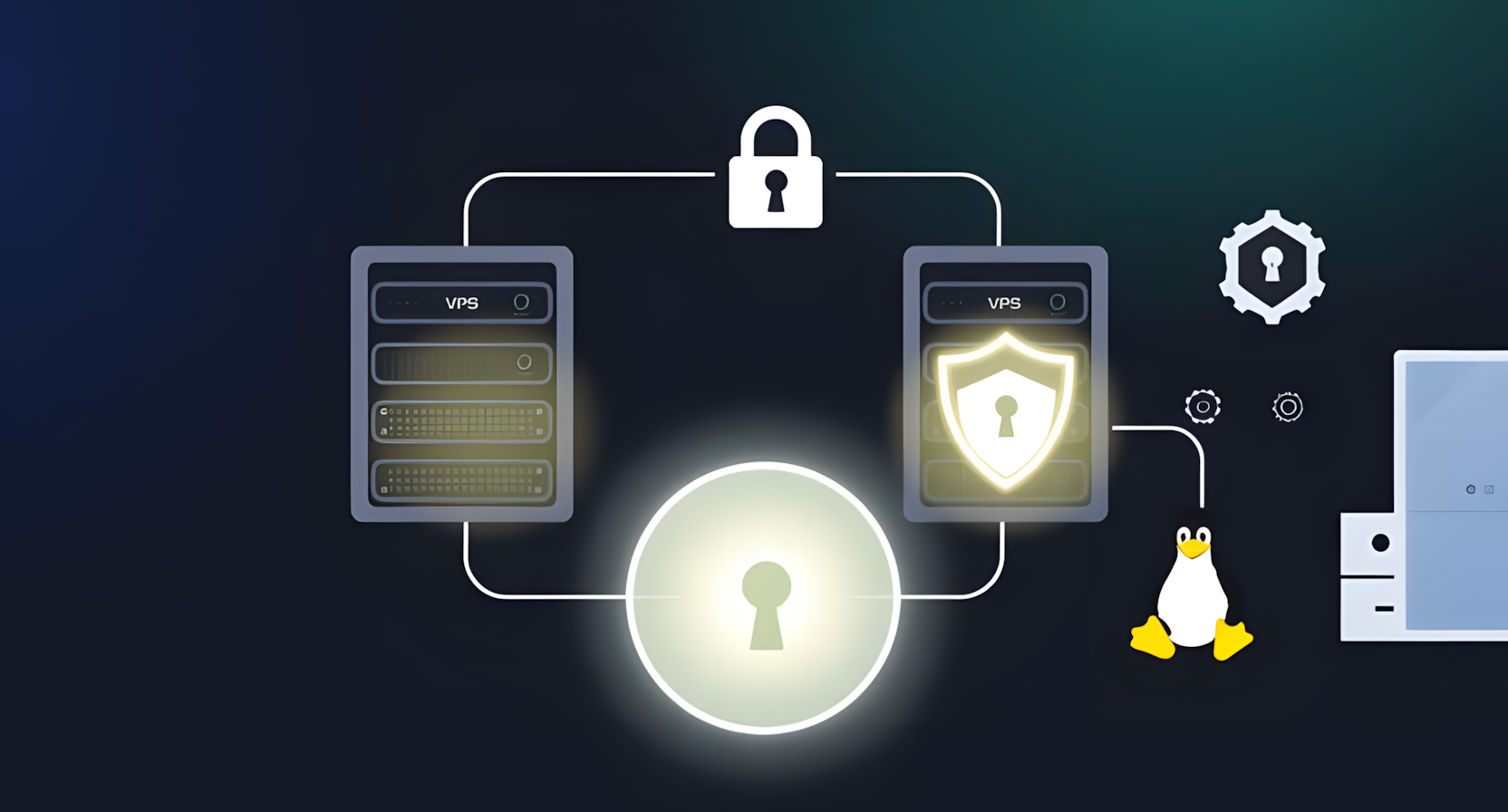
Dedicated PC on LAN talks directly to VPS via Wireguard. The local machine acts as an exit node so when I add a local IP and port to my reverse proxy the whole thing acts like a local network.
I wrote about my setup last month; https://the.unknown-universe.co.uk/home-lab/wireguard-vpn-two-vps/
You’re right, I missed that.
I personally use a reverse proxy and Wireguard setup to access remotely.
I have a dedicated VPS with reverse proxy connected to my network via Wireguard. It acts as the front door to my network so I don’t have to port forward or rely on Cloudflare etc. I used to use Tailscale as the go between but switched to WG recently. Both work fine for streaming content whilst self-hosting all other services including my website.
 8·3 months ago
My bad, GOG is absolutely the gold standard for DRM-free ownership. Personally, I buy on Steam for the convenience and the Proton support but I still collect every free titles on GOG
It’s why I treat everything cloud-based as a rental now. If I can’t install it locally and back up the data myself, I don’t really own it.

The home server is an old, low-powered mini PC running Debian. It acts as the bridge between the WireGuard tunnel and my local LAN.
I’ve just finished migrating one of my AdGuard Home instances onto it today. Its role is now twofold:
Routing: It has ip_forward enabled and a bit of NAT (iptables/nftables) so that traffic arriving from the VPN can actually “hop” onto the local network to reach my other VMs and containers.
DNS: It provides ad-blocking for the tunnel. VPN clients point to this node’s internal WireGuard IP for DNS queries.
Technically, it’s just another WireGuard peer, but with AllowedIPs configured to advertise my 192.168.x.x subnet back to the hub (VPS2). This is what allows VPS1 and my mobile devices to resolve and reach home services without a single open port on my router.
You’re right, and for a lot of people, one VPS is the sensible choice. I actually addressed this in the post:
"VPS1 is my web-facing server. It handles the public side of things. VPS2 is the VPN hub. At first glance, that probably looks unnecessary. Strictly speaking, it is unnecessary. I could have crammed WireGuard onto VPS1 and called it done. But splitting the roles makes the whole thing cleaner.
One machine serves public traffic. The other handles VPN duties. That means fewer networking compromises, fewer chances of Docker or firewall rules becoming annoying, and a clearer separation between the public-facing stack and the private tunnel. It also means I can change one side without poking the other with a stick and hoping nothing catches fire."
It’s not that I didn’t like it, I just wanted to back to basics! A simple config file on each machine, job done
Exactly that, VPS2 handles the WireGuard port and has no domain pointing to it, so it’s basically hiding in plain sight. VPS1 holds the domain and handles the web traffic.
I keep SSH open on both, but locked down (key-based auth + restricted to my IPs).
Your idea of using the provider firewall (Ionos in my case) as a “mechanical” lock is a good one, block it at the edge and only open it when needed. I’ve thought about doing that, but I’m generally happy relying on a hardened SSH config and the provider’s KVM if everything goes sideways.








I don’t restrict music from my kids but as a parent I want to know what they are listening to so I can have open conversations with them. At the same time seeing their listening habits can also help me pick up on how they’re feeling.