

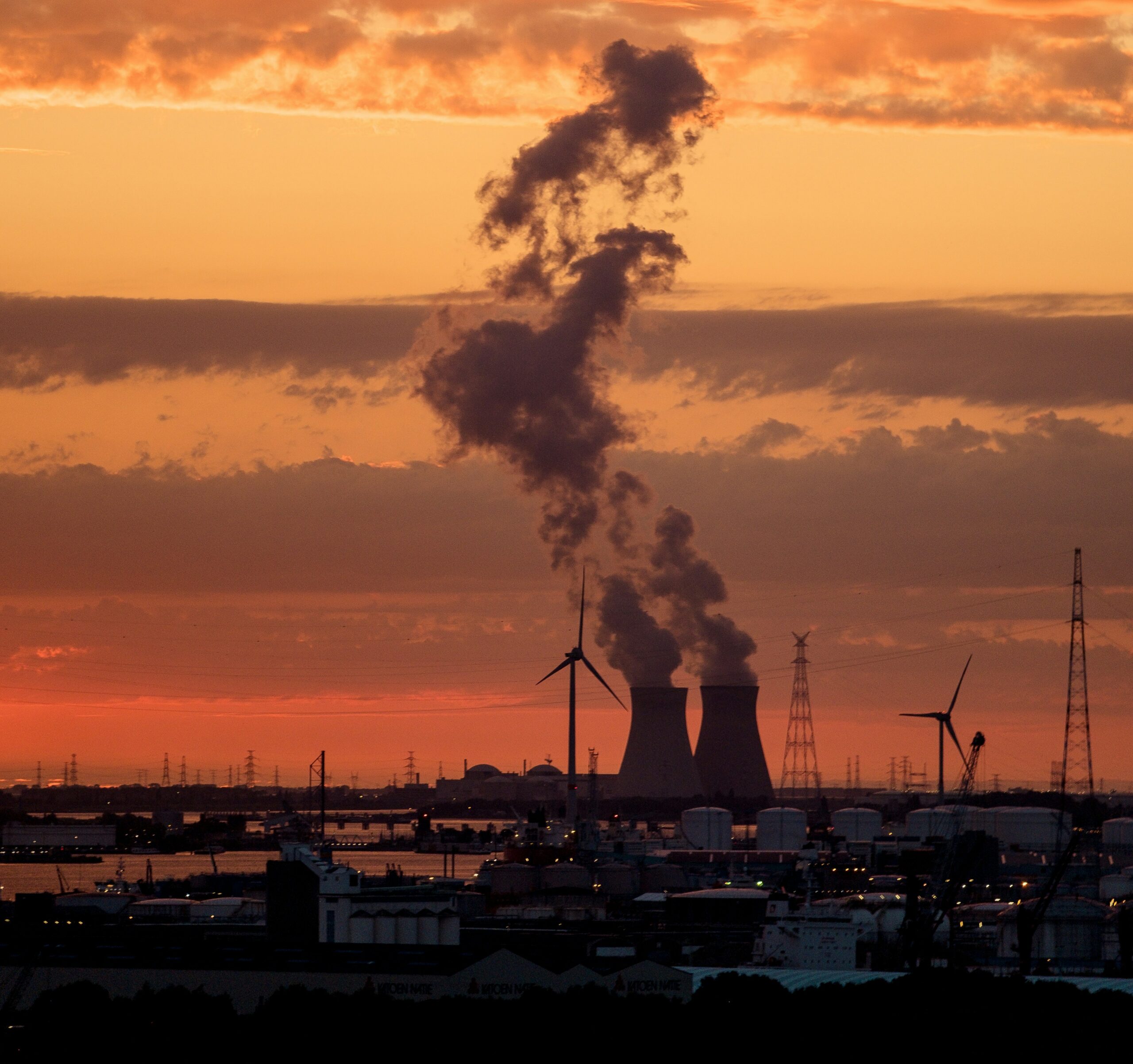
Both are amazing sources of power, anything except Coal and LNG.
Primary energy use is a lot more than just electric energy generation.
The more you electrify, the less primary energy you need. Soooo…
High temperature 24/7 industrial processes? Reduction equivalents and chemical inputs?
To start with, look at how renewable energy infrastructure is made and deployed, starting with mining.
Mining isn’t really as big of a deal as the fossil fuel industry likes to make it out to be. ≈99% of solar arrays, wind turbines, and batteries are recyclable, meaning that the scrap will be the richest source of ore in a short order. Maybe a decade or so
Starting with solar PV. The dopants are not retrievable, the silicon too contaminated for PV use, silver, ok, glass panes – probably not recyclable, melting down can perhaps be done with electric heating. Aluminium profiles, ok. Copper wiring, partly. Renewable infra at scale by the way needs so much copper it will exhaust minable ores.
So unfortunately PV is a dud recycling-wise and needs so much energy to process you can do it from scratch. Same thing with batteries, especially sodium. Wind, concrete and composite not recyclable, steel and rare earth magnets yes, copper yes.
I mean, there are high temperature heat pumps, or electrical ovens, depending on what you mean. Reduction can be done by Hydrogen, new facilities for steel production are basically built this way (in Europe) and I don’ know what you mean with chemical inputs.
deleted by creator
The power of the sun in the palm of my hand.
@Lugh good to know. Nuclear feels mostly like a compromise tbh. Yes, it has no emissions on use, but the radioactivity makes up more than a dozen times for it. When a nuclear plant breaks, it goes terribly wrong for the entire area around it.


